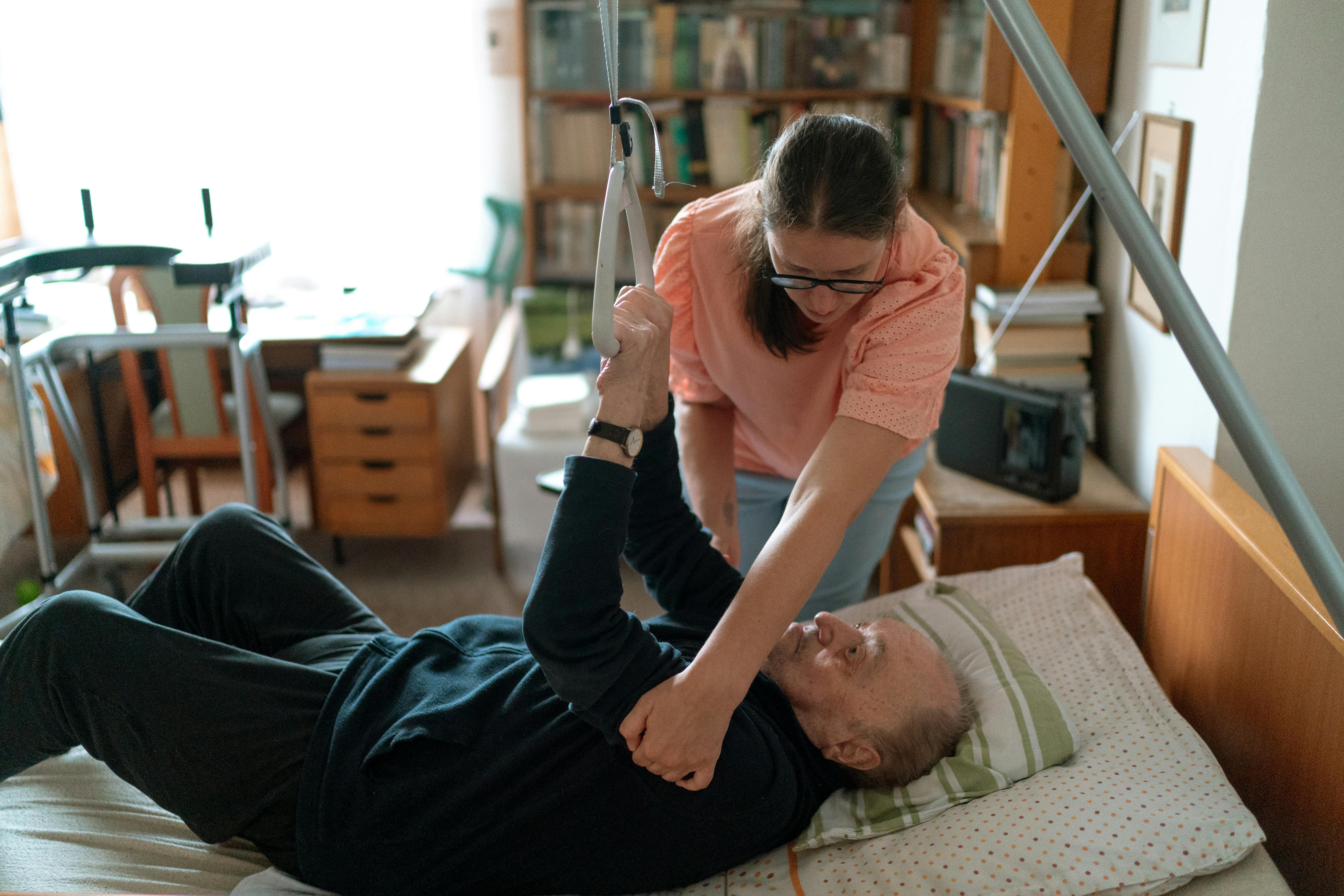
The Role of Technology in Home Health Care
As of 2026, technology has become an indispensable part of home health care, especially in vibrant cities like Sacramento, CA. For many, understanding how these technologies work can be daunting. This guide aims to demystify the technical aspects of home health care for non-experts, enabling families to make informed decisions about the care they choose for their loved ones.
What Is Home Health Care Technology?
Home health care technology encompasses a range of tools and systems designed to improve the quality of care for individuals who require assistance but wish to remain in their homes. These technologies include medical devices, communication systems, and software applications that facilitate better health monitoring and patient management.
Key Technologies in 2026
- Remote Patient Monitoring: Devices that track vital signs such as heart rate, blood pressure, and glucose levels, allowing healthcare providers to monitor patients' health remotely in real-time.
- Telehealth Services: Platforms that enable virtual consultations between patients and healthcare professionals, making medical advice more accessible without the need for in-person visits.
- AI-Powered Diagnostic Tools: Artificial intelligence systems that help analyze medical data to provide accurate diagnoses and personalized treatment plans.
- Medication Management Apps: Applications that remind patients to take their medications and track adherence, reducing the risk of missed doses.
- Wearable Health Devices: Smartwatches and fitness trackers that monitor physical activity, sleep patterns, and other health metrics.
How These Technologies Benefit Sacramento Residents
For residents of Sacramento, integrating technology into home health care offers numerous benefits:
- Improved Accessibility: Telehealth services reduce the need for travel, especially beneficial for those with mobility challenges or living in areas with limited access to healthcare facilities.
- Enhanced Safety: Remote monitoring devices ensure that any significant changes in a patient's health can be quickly addressed, providing peace of mind to families and caregivers.
- Cost Efficiency: By minimizing the need for hospital visits, these technologies can significantly reduce healthcare costs.
- Personalized Care: AI tools offer tailored health recommendations, ensuring that each patient receives care that best suits their individual needs.
Understanding Remote Patient Monitoring (RPM)
Remote Patient Monitoring is a cornerstone of modern home health care. It involves the use of digital devices to collect health data from individuals in one location and electronically transmit it to healthcare providers in another. This allows for continuous monitoring without the need for frequent in-person check-ups.
How RPM Works
RPM devices are typically non-invasive and user-friendly. They connect to the internet, often via Wi-Fi, to send data directly to healthcare providers. This data can include heart rate, oxygen levels, and other vital signs. Alerts can be set to notify healthcare professionals if readings fall outside of normal ranges.
Telehealth: Bringing Healthcare to Your Home
Telehealth has revolutionized how patients receive medical consultations. Through video calls and secure messaging platforms, patients can discuss their health concerns with professionals from the comfort of their home.
Benefits of Telehealth
- Convenience: Schedule appointments without leaving your home.
- Reduced Exposure: Minimize the risk of exposure to illnesses by avoiding crowded medical facilities.
- Faster Access: Get quicker consultations, especially for urgent needs.
AI in Home Health Care
Artificial Intelligence is at the forefront of personalizing home health care. AI systems analyze patient data to offer insights and predictive analytics that aid in early intervention and prevention strategies.
Simple AI Applications
For non-tech-savvy users, AI applications in home health care might seem complex, but they are designed to simplify life. Many systems operate in the background, analyzing patterns and suggesting changes without requiring direct user input.
Choosing the Right Technology for Your Needs
With so many options available, selecting the right technology can be overwhelming. Here are some tips to help you choose:
- Assess Your Needs: Determine the specific health challenges and care needs of your loved one.
- Consult Professionals: Work with healthcare providers to identify technologies that complement the existing care plan.
- Consider User-Friendliness: Choose devices and applications that are easy for both patients and caregivers to use.
- Evaluate Costs: Consider the initial investment and any ongoing subscription fees.
Conclusion: Embracing Technology for Better Care
In 2026, the integration of technology in home health care is not just a trend but a necessity. For Sacramento residents, embracing these technologies means improved care, enhanced safety, and greater peace of mind. By understanding these tools, you can make informed choices that lead to better health outcomes for your loved ones.